

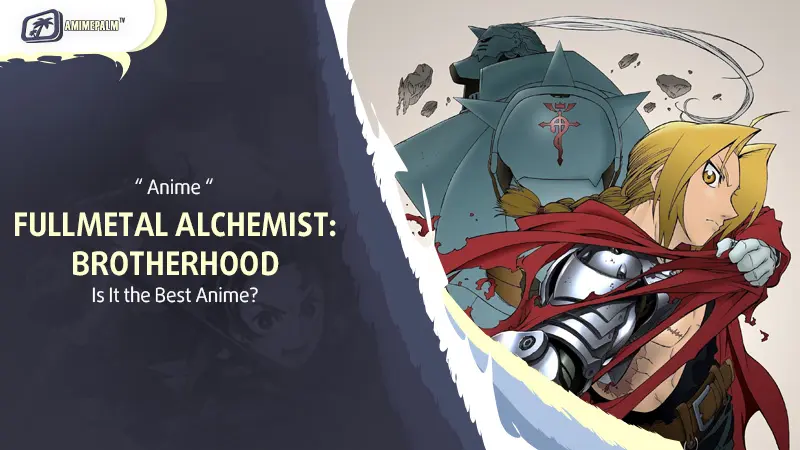
Fullmetal Alchemist: Brotherhood is straight-up one of the best anime I’ve ever watched, it’s got heart, action, and twists that still give me chills years later. I remember discovering it during a late-night binge session, and by episode 4, I was hooked, yelling at the screen over the brothers’ tragic backstory. If you’re new to it or revisiting, let me geek out as a real fan and break it down based on what makes it so epic. We’ll cover the basics, plot, characters, episodes, and how it stacks up against the original. Trust me, this one’s a masterpiece.
Introduction to Fullmetal Alchemist: Brotherhood
Fullmetal Alchemist: Brotherhood is the faithful anime adaptation of Hiromu Arakawa’s killer manga, and boy, does it deliver. Produced by Studio Bones, it aired from April 2009 to July 2010 with a total of 64 episodes that stick super close to the source material. What stands out is the top-notch animation, those alchemy fights look insane, and the deep themes that make you think long after it’s over. Unlike the 2003 Fullmetal Alchemist anime, which went its own way halfway through and had a different ending, Brotherhood follows the manga to a T, giving us a more complete, satisfying story. The original was cool in its own right, but Brotherhood feels like the definitive version, with better pacing and no filler detours.
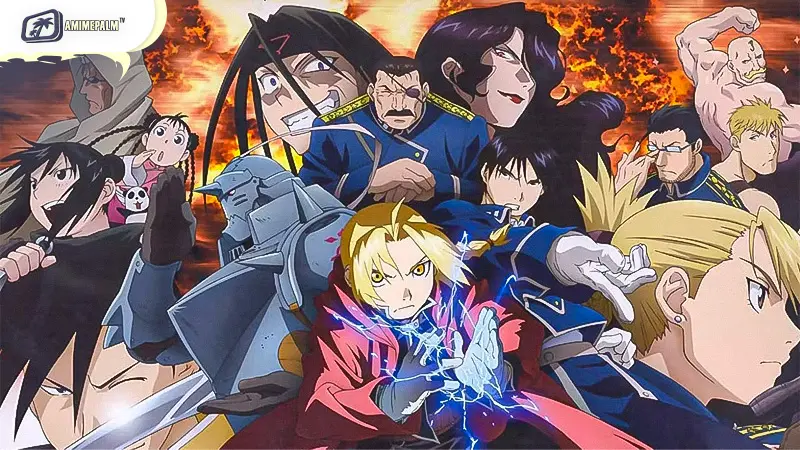
As a fan, I always recommend starting here if you’re new, it’s got that perfect mix of humor, drama, and epic battles. The decision to make Brotherhood after the original anime was risky, but it paid off spectacularly. Studio Bones assembled a team that understood Arakawa’s vision perfectly, translating the manga’s emotional beats and complex mythology onto screen without losing anything in translation. The voice acting is phenomenal in both Japanese and English, the soundtrack is absolutely stellar, and the animation style perfectly captures the show’s tonality, everything from quiet character moments to explosive alchemical reactions feels perfectly realized.
What really impressed me rewatching it recently is how well the show respects your intelligence. It doesn’t over-explain things; it trusts you to keep up with the complex lore surrounding alchemy, the political machinations, and the overarching conspiracy. That said, it’s never confusing or opaque, the writing is just tight and efficient. Every episode builds on what came before, and by the time you reach the finale, you’ll realize how meticulously crafted the entire narrative structure is.
Plot Summary and Themes
Set in the steampunk-ish country of Amestris, where alchemy is basically science with rules, the story follows brothers Edward and Alphonse Elric on a quest for the Philosopher’s Stone. After a botched attempt to bring back their mom through human transmutation, big no-no in alchemy, Ed loses an arm and leg, and Al’s soul gets stuck in a suit of armor. They’re out to fix themselves, but it spirals into a massive conspiracy involving creepy Homunculi, corrupt State Military folks, and this shadowy “Father” pulling strings.
The beauty of Brotherhood’s plot is how it manages to be simultaneously intimate and epic. What starts as a personal tragedy, two brothers trying to undo their mistake, gradually expands to encompass wars, government conspiracies, and the very nature of humanity itself. The pacing of these revelations is masterful. You’ll be watching what seems like a self-contained episode, only to have it connect to a larger pattern you hadn’t noticed. The show trusts its audience to piece things together, rewarding careful observation with “aha” moments that feel satisfying.
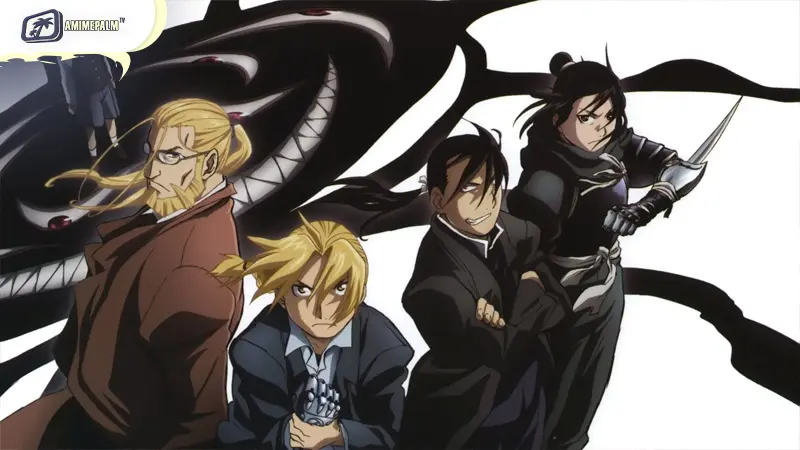
Themes are what make it shine: equivalent exchange (you can’t get something without giving up equal value) hits hard, showing the costs of ambition. This isn’t just a magic system rule; it’s a philosophical statement about the world. Everything has a price, and the series constantly explores what those prices are and whether they’re worth paying. Sacrifice, brotherhood, Ed and Al’s bond is unbreakable, and the gray areas of right and wrong keep you hooked. Their journey uncovers wars, genocide, and power grabs, turning a personal story into a world-shaking epic.
I love how it builds from small-town vibes to all-out chaos; as a fan, it made me reflect on real-life stuff like war and ethics without feeling preachy. The show never lectures you, it simply presents situations and lets you draw your own conclusions. It explores war through the Ishvalan conflict, where neither side is completely right or wrong. It examines ambition and its corrupting influence through multiple characters who want different things but are willing to compromise their principles. It questions what it means to be human through the Homunculi and their struggles for identity.
Characters of Fullmetal Alchemist: Brotherhood
The characters in Fullmetal Alchemist: Brotherhood are gold, complex, relatable, and they grow so much it hurts. Edward Elric, the short-tempered “Fullmetal Alchemist,” is our hot-headed protag with a heart of gold, always fighting for his brother. What makes Ed compelling is his evolution from a desperate kid willing to cross any line to a young man learning that some boundaries exist for good reasons. His intellect is never in question, he’s a prodigy alchemist, but his wisdom comes harder, through bitter experience and mistakes.
Alphonse Elric, trapped in armor but super kind, balances Ed’s fire with wisdom; their sibling dynamic is the show’s soul. Al’s situation creates constant existential dread for him, he can’t taste food, feel physical sensation, or even verify that he still has a soul. Despite this, he remains the emotional anchor of the series, often being the voice of morality and compassion when Ed gets too caught up in solutions. Their relationship is the heart of everything, and watching it tested throughout the series is genuinely gut-wrenching.
Winry Rockbell, their childhood pal and automail whiz, brings the feels with her tough love and emotional support, she’s not just a side character, she’s family. Winry could’ve been a mere love interest, but the show gives her agency, dreams, and her own emotional journey. Her role as the Elric brothers’ anchor to normalcy is crucial, and her development from the grieving girl we meet to a confident woman is beautiful to watch.
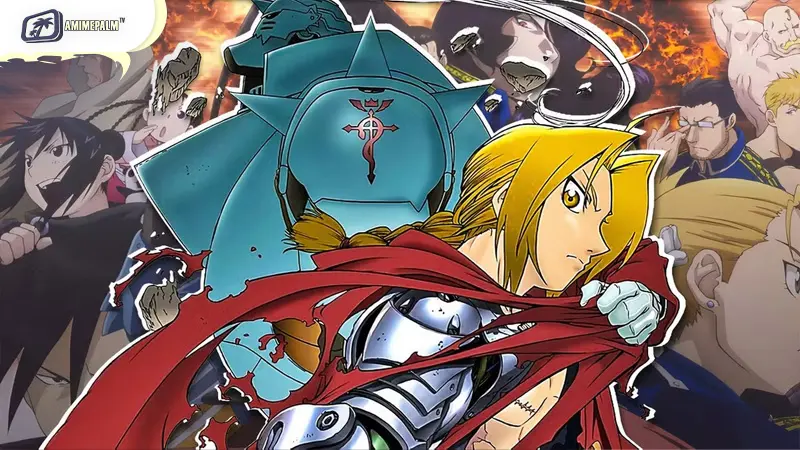
Allies like Roy Mustang, the slick Flame Alchemist aiming for the top of the military, add strategy and cool fire snaps. Roy seems like a stereotypical charming military guy initially, but he’s so much more, his ambitions, his methods, and his friendships all come under scrutiny. There’s real complexity in how the show presents his character arc. Maes Hughes is the ultimate dad friend, loyal to a fault, and his story wrecked me every rewatch. His introduction seems cheerful and comedic, but his character serves a deeply tragic purpose in the narrative.
On the antagonist side, Scar, the scarred Ishvalan seeking revenge, starts as a villain but gets layers that make you sympathize. Scar represents the cycle of violence and hatred that pervades the series, he’s a victim who becomes a perpetrator, and the show doesn’t shy away from exploring that moral complexity. King Bradley (aka Wrath) is a beast in fights, hiding his Homunculus side as Amestris’ leader. What’s fascinating about Bradley is how the show explores whether his superior abilities make him a better leader or just a tyrant with more power. Kimblee, the psycho Crimson Alchemist, loves explosions and chaos, while Van Hohenheim, the bros’ absent dad, has a tragic past tied to the whole mess. Van Hohenheim’s inclusion in the narrative is particularly brilliant, what could have been a simple absent father figure becomes something far more complex and tragic.
Development is chef’s kiss: relationships evolve through betrayals, alliances, and heart-to-hearts. Motivations feel real, revenge, redemption, power, and the bonds, like Ed and Winry’s slow-burn romance or Mustang’s crew loyalty, keep it grounded. As a fan, Roy Mustang is my fave for his swagger, but Scar’s arc? Pure redemption gold. The way the show handles redemption arcs in general is noteworthy, it’s never simple or quick. Characters have to genuinely reckon with their past actions and work to earn forgiveness.
Episode Structure and Availability
Fullmetal Alchemist: Brotherhood packs 64 episodes into one seamless season, no multi-season splits here, just straight storytelling. The episode list flows through arcs like the early East City setup, the brutal Ishvalan War flashbacks (so intense), the creepy Lab 5 horrors, and the massive Promised Day finale where everything explodes. Each arc builds on the last, creating a narrative momentum that never really lets up.
The early episodes introduce you to the world and the brothers’ immediate goals, establishing the rules of alchemy and the basic conflict. The middle section expands outward, introducing the conspiracy and more characters, deepening your investment in the world. The final arc is a masterclass in convergence, everything you’ve learned comes together in ways that feel inevitable yet surprising.
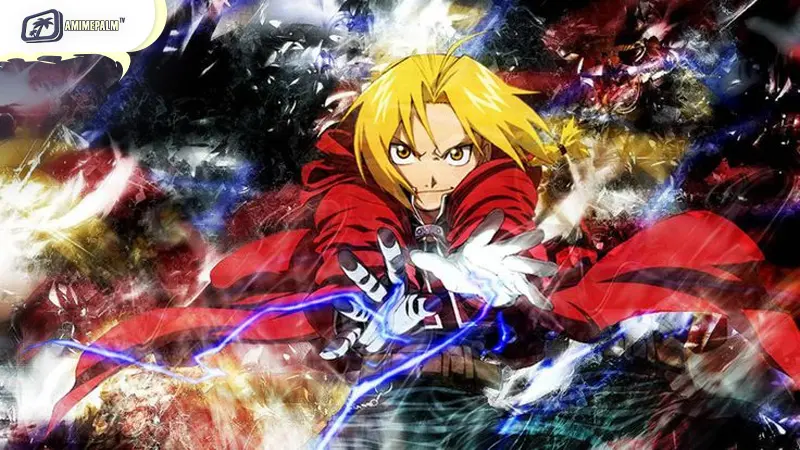
Pacing is spot-on: action-packed fights mix with quieter character moments and plot reveals, never dragging. It’s binge-friendly, with cliffhangers that had me clicking “next” at 3 AM. The show respects both styles of watching, it works great for binge sessions because the pacing keeps you engaged, but individual episodes also stand on their own if you prefer watching more slowly.
You can stream it on Netflix, Crunchyroll, or Hulu in most places, with sub and dub options, the English dub is fantastic, btw. The English voice cast brings real personality to the characters, and the localizations feel natural rather than stilted. DVD/Blu-ray sets are out too for collectors, and they look gorgeous if you want to experience the show in high quality. If you’re hunting the Fullmetal Alchemist: Brotherhood how many episodes question, yeah, 64 is the magic number for the full ride.
Comparison with Original Fullmetal Alchemist Anime
Ah, the big debate: Fullmetal Alchemist: Brotherhood vs Fullmetal Alchemist. The 2003 original (51 episodes) starts similar but diverges midway since the manga wasn’t done, creating its own plot with a darker, more existential tone and a wild ending involving parallel worlds. The original feels like a high-concept science fiction story at times, whereas Brotherhood is more grounded fantasy. Both approaches have merit, and honestly, fans still debate which is superior over a decade later.
Brotherhood sticks to the manga, so plot progression feels more epic and resolved, with better character fates that align with Arakawa’s vision. The original series had to make major structural changes and introduce new characters and plot threads that the manga never had. This gives the original its own identity, but it also means some plot threads feel incomplete or the pacing gets weird in places where the story had to diverge.
Tone-wise, the original is broodier and focuses on horror elements, while Brotherhood balances humor and hope. The 2003 series leans into body horror and existential dread, making it feel more oppressive overall. Brotherhood has those elements too, but it balances them with genuine moments of levity and hope. This makes Brotherhood more emotionally sustainable as a viewing experience, it doesn’t feel relentlessly bleak, even when dealing with heavy topics.
Critically, Brotherhood scores higher (like 9.1 on MAL) for its completeness, but the original has fans for its unique twists. Many people who watched the original first have deep nostalgia for it, and there are aspects of its storytelling that some prefer. The parallel universe concept and some of the original characters have their defenders.
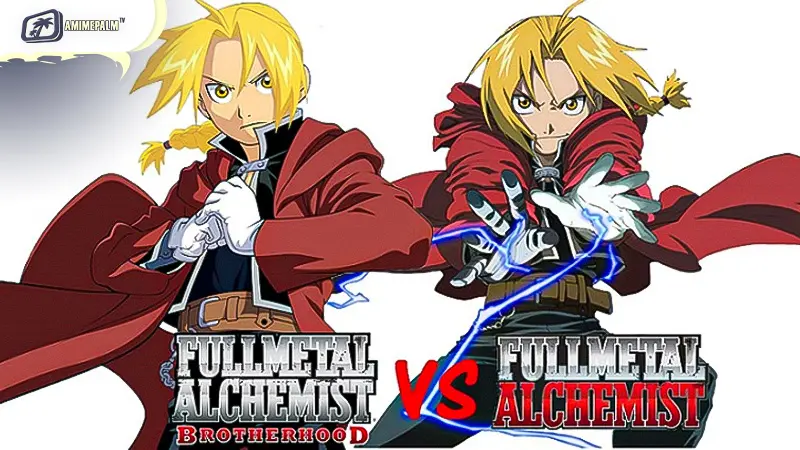
As someone who’s seen both, I prefer Brotherhood for the true story, but recommend the original if you want a different take after. Newbies? Start with Brotherhood, it’s the full package without confusion. You get the complete story, the proper character arcs, and the ending Arakawa intended. If you fall in love with the series, watching the original afterward becomes a fascinating exploration of “what if” storytelling.
Why This Show Matters
Fullmetal Alchemist: Brotherhood represents anime at its best, smart writing, beautiful animation, compelling characters, and thematic depth. It’s not just entertainment; it’s art that makes you think about morality, consequence, and what it means to be human. The show respects its audience’s intelligence and emotional investment, delivering payoffs that feel earned.
If this review has you itching to clap your hands and transmute some time into watching, dive in, Fullmetal Alchemist: Brotherhood changed how I see anime! For more anime news, reviews, and updates, head over to AnimePalm, they’ve got the latest on all your favorites.